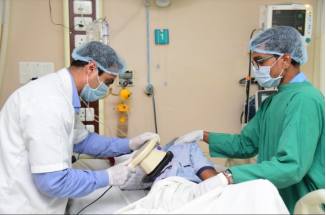
Most people wait far too long before booking that first appointment. The pain starts as a dull ache, then it follows you to work, then it starts stealing your sleep, and still the visit keeps getting postponed. Part of the delay is fear. Many patients quietly assume a back pain specialist doctor will push them straight toward surgery, and that assumption keeps them at home with a heating pad. The reality of a first consultation looks nothing like that picture.
A first visit to a back pain specialist doctor is mostly about listening, checking, and ruling things out. Surgery rarely even comes up at this stage, and when it does, it usually sits at the bottom of the list, not the top.
Questions a Back Pain Specialist Doctor Will Ask You
The visit opens with a detailed conversation, not a procedure. Expect questions about when the pain began, where exactly it sits, and what makes it better or worse. The doctor will also ask whether the pain travels down your leg, whether your feet tingle or go numb, and how your sleep and work have changed.
Honest answers matter more than polished ones. Perhaps you cannot remember exactly when it all started, and that is fine. Say so. A vague but truthful answer helps the diagnosis more than a confident guess.
The Physical Exam for Back Pain
The doctor will watch you walk, stand, bend forward, and lean back. They will test your reflexes with a small hammer, check the strength in your legs, and press along your spine to find the exact tender spots.
One common test involves raising your straight leg while you lie flat. Pain that shoots below the knee during this movement points toward a nerve problem rather than a plain muscle strain. The exam feels simple, almost too simple, yet it tells the doctor a great deal.
Imaging and Tests Your Doctor May Order
Not every back needs a scan. If the exam suggests a muscle-related cause, the doctor may skip imaging at first and review you after a couple of weeks of treatment. If a nerve issue, an injury, or something more serious seems possible, the doctor orders an X-ray or other imaging, and sometimes blood tests too. A critical care centre with an in-house lab and radiology unit can complete these tests during the same visit, which spares you days of running between clinics.
A scan is a tool, not a verdict. Plenty of people with alarming reports live pain-free, while some with clean reports hurt every day. Your symptoms and your scan get read together, never separately.
Treatment Options Discussed At Your First Consultation
Next steps usually begin small. Most first-visit plans combine pain medication, posture correction, and a structured physiotherapy programme. Severe or stubborn pain may bring a referral to the pain management team at a critical care centre for targeted relief. Surgery enters the conversation only when leg weakness spreads, bladder or bowel control changes, or months of proper treatment fail to help.
How to Prepare for Your First Back Pain Appointment
A little preparation makes the visit far more useful. Carry these with you:
- A list of the medicines and supplements you take
- Any old reports or scans, even ones that seem unrelated
- Notes on what triggers your pain and what eases it
- Your questions, written down, because they tend to vanish the moment you sit across from a doctor
Booking the appointment is honestly the hardest part. The visit itself is calm and methodical, built around finding the real cause of your pain before treating it. The longer you wait, the more options quietly slip away, so let this be the week you finally book it.
