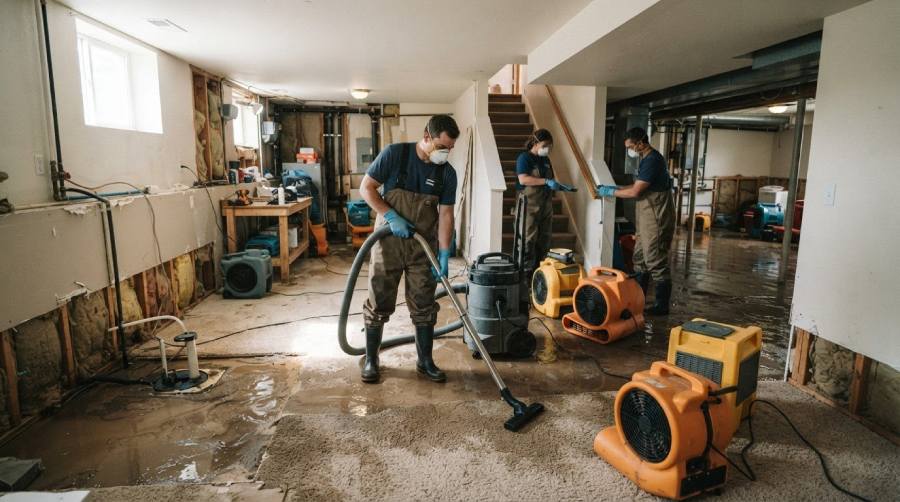
Flood damage is a devastating event for any homeowner or business in Boulder, CO. Beyond the immediate visible destruction, water infiltration can lead to a cascade of complex issues, from structural compromise to hazardous mold growth. Effective emergency flood cleanup is not merely about removing water; it’s a specialized process requiring swift action, advanced equipment, and expert knowledge to mitigate long-term damage and restore properties to their pre-loss condition. This guide delves into the critical aspects of emergency flood cleanup, offering insights into the processes, common causes, and what to expect when disaster strikes.
Why Immediate Emergency Flood Cleanup is Crucial for Boulder Homes
The clock starts ticking the moment water enters a property. Within minutes, water can spread, saturating porous materials like drywall, insulation, and flooring. Within 24-48 hours, the risk of mold and mildew growth escalates significantly, posing health hazards and further compromising structural integrity. Untreated water damage can lead to:
- Structural Deterioration: Water weakens building materials, leading to warping, swelling, and eventual collapse of walls, ceilings, and floors.
- Mold and Mildew Proliferation: High humidity and moisture create an ideal breeding ground for mold, which can cause respiratory issues, allergic reactions, and further property damage. Remediation costs for mold can often exceed initial water damage repair.
- Electrical Hazards: Standing water can electrify circuits, creating dangerous shock risks and potential fire hazards.
- Contaminated Water Risks: Floodwaters, especially from overflowing sewers or natural disasters, can contain bacteria, viruses, and chemical contaminants, requiring specialized biohazard cleanup protocols.
- Compromised Indoor Air Quality: Elevated humidity and microbial growth can severely degrade indoor air quality, making the environment unhealthy.
- Increased Restoration Costs: Delays in cleanup directly correlate with higher repair and restoration expenses, as damage becomes more extensive and complex.
Rapid response from certified professionals is paramount to minimize these risks, salvage belongings, and reduce overall restoration costs.
Our Comprehensive Emergency Flood Cleanup Process
Effective emergency flood cleanup follows a structured, multi-stage process designed to address immediate threats and ensure thorough restoration. Restoration Logistics Boulder employs IICRC-certified technicians who adhere to industry best practices, utilizing state-of-the-art equipment for every step.
- Emergency Contact and Assessment: The process begins with a rapid response to the initial call. Technicians conduct a thorough inspection to assess the extent of the damage, identify the water source, categorize the water (e.g., clean, gray, black water), and determine the affected areas. This involves using moisture meters, thermal imaging cameras, and hygrometers to detect hidden moisture.
- Water Extraction: High-powered submersible pumps and industrial-grade wet vacuums are deployed to remove standing water quickly. This critical step prevents further saturation and reduces drying times. For basement floods, gradual pumping may be necessary to prevent structural damage due to external soil pressure.
- Demolition and Removal of Damaged Materials: Non-salvageable materials, such as saturated drywall, insulation, carpeting, and padding, are carefully removed and disposed of according to local regulations. This step is crucial for preventing mold growth and allowing for proper drying of underlying structures.
- Drying and Dehumidification: Industrial-strength air movers and dehumidifiers are strategically placed to circulate air and extract moisture from the air and building materials. This phase often involves monitoring moisture levels daily to ensure optimal drying conditions and prevent secondary damage. Specialized drying techniques, such as injectidry systems, may be used for hard-to-reach areas.
- Cleaning, Sanitizing, and Deodorization: All affected surfaces are thoroughly cleaned, sanitized, and disinfected to eliminate bacteria, mold spores, and other contaminants. Odor removal is also addressed using professional-grade deodorizers and air scrubbers, especially important after sewage backups or prolonged water exposure.
- Restoration and Repair: Once the property is thoroughly dried and sanitized, the restoration phase begins. This can range from minor repairs like replacing drywall and flooring to more extensive structural reconstruction. The goal is to return the property to its pre-loss condition, often coordinating directly with insurance providers to streamline the claims process.
Common Causes of Flood Damage in Boulder, CO
Boulder’s unique geographical location at the foothills of the Rocky Mountains, coupled with its distinct weather patterns, makes it susceptible to various forms of flood damage. Understanding these common causes helps homeowners prepare and act swiftly.
- Heavy Rainfall and Flash Floods: Boulder experiences significant rainfall, particularly during monsoon seasons. The steep terrain and urban development can lead to rapid runoff, overwhelming drainage systems and causing flash floods in low-lying areas and along creeks like Boulder Creek. The 2013 Colorado floods serve as a stark reminder of the destructive power of such events.
- Snowmelt and Runoff: The substantial snowpack in the surrounding mountains can lead to significant snowmelt in spring, contributing to elevated river and creek levels. Rapid warming periods can cause sudden surges, leading to localized flooding.
- Burst Pipes and Plumbing Failures: Freezing temperatures in winter can cause pipes to burst, leading to extensive water damage within homes. Other plumbing issues, such as leaky water heaters, overflowing toilets, or faulty appliances (dishwashers, washing machines), are also frequent culprits.
- Sump Pump Failures: Many Boulder homes, especially those with basements, rely on sump pumps to manage groundwater. A power outage, mechanical failure, or an overwhelmed pump can lead to basement flooding.
- Sewer Backups: Heavy rainfall can sometimes overwhelm municipal sewer systems, leading to sewage backups into homes through drains and toilets. This type of floodwater is highly contaminated and requires specialized biohazard cleanup.
What to Do (and Not Do) Until Professional Help Arrives
In the immediate aftermath of a flood, your actions can significantly impact the extent of damage and the safety of your property.
What to Do:
- Prioritize Safety: Ensure all occupants are safe. If the water is deep or near electrical outlets, turn off the main power supply to your home if it’s safe to do so.
- Identify and Stop the Source: If the flood is due to a burst pipe or plumbing issue, locate and shut off the main water supply valve to your home.
- Document the Damage: Take clear photos and videos of all affected areas and damaged belongings. This documentation is crucial for your insurance claim.
- Remove Valuables: Move furniture, electronics, artwork, and other valuable items to a dry, elevated area if it’s safe to do so.
- Ventilate: Open windows and doors to promote airflow, if outdoor conditions permit, to begin reducing humidity.
- Contact Your Insurance Company: Notify your insurance provider as soon as possible to initiate the claims process.
What Not to Do:
- Do NOT Enter Contaminated Water: Avoid contact with floodwater, especially if it’s from a sewer backup or if electrical hazards are present.
- Do NOT Use Household Vacuums: Regular vacuum cleaners are not designed for water extraction and can pose an electrical shock risk.
- Do NOT Turn on HVAC Systems: If your HVAC system has been affected by water, operating it could spread contaminants or cause further damage.
- Do NOT Use Electrical Appliances: Avoid using any electrical appliances that have been exposed to water.
- Do NOT Attempt DIY Drying with Heat: Excessive heat can warp wood and other materials. Professional drying uses controlled dehumidification.
- Do NOT Wait: The longer you delay professional cleanup, the greater the risk of mold growth and permanent damage. For immediate assistance with emergency flood cleanup, contact Emergency Flood Cleanup to dispatch a team.
Choosing the Right Emergency Flood Cleanup Partner in Boulder
Selecting a qualified and reliable emergency flood cleanup company is critical for effective restoration. Consider the following factors when making your choice:
- 24/7 Emergency Response: Floods don’t adhere to business hours. A reputable company offers round-the-clock service to address emergencies immediately.
- IICRC Certification: Ensure the company’s technicians are certified by the Institute of Inspection, Cleaning and Restoration Certification (IICRC). This demonstrates adherence to industry standards and best practices for water damage restoration.
- Experience and Local Knowledge: Choose a company with a proven track record in Boulder, familiar with local building codes, climate challenges, and common flood scenarios.
- Advanced Equipment: The right tools make a difference. Look for companies that utilize industrial-grade water extractors, air movers, dehumidifiers, moisture meters, and thermal imaging cameras.
- Comprehensive Services: A full-service company can handle everything from water extraction and drying to mold remediation, cleaning, and reconstruction, simplifying the restoration process.
- Insurance Liaison: A good restoration partner will assist with the insurance claims process, providing detailed documentation and communicating directly with your adjuster.
- Transparent Pricing: Obtain a clear, itemized estimate of services. While emergency situations can be fluid, a professional company will provide as much transparency as possible.
When facing flood damage in Boulder, CO, swift and professional intervention is non-negotiable. By understanding the critical nature of immediate cleanup, the comprehensive restoration process, and the specific risks associated with Boulder’s environment, property owners can make informed decisions. Partnering with experienced and certified professionals ensures that your property is not just dried, but thoroughly restored, mitigating future problems and safeguarding your investment. For reliable and efficient emergency flood cleanup services, consider reaching out to Restoration Logistics Boulder.
